

What is a Learning Disability
Learning disabilities are neurological differences that affect how individuals process, understand, store, or communicate information. A learning disability does not reflect a person’s intelligence or potential; rather, it means that the brain processes certain types of information differently. Many people with learning disabilities have average or above-average intelligence but require alternative approaches to learning in order to succeed.
Learning disabilities are lifelong conditions that typically become noticeable during childhood, particularly when children begin formal education and are expected to develop reading, writing, mathematical, and organizational skills. With appropriate support, teaching strategies, and accommodations, individuals with learning disabilities can achieve success in school, work, and everyday life.
Learning disabilities fall under a group of conditions referred to as Specific Learning Disorder, a category defined in the Diagnostic and Statistical Manual of Mental Disorders, Fifth Edition (DSM-5). These disorders affect particular academic skills such as reading, writing, or mathematics. Common examples include Dyslexia, Dyscalculia, and Dysgraphia.
What Learning Disabilities Are
Learning disabilities occur when the brain has difficulty processing certain types of information. This can affect a person’s ability to read, write, spell, calculate, remember instructions, organize tasks, or understand spoken language.
Unlike intellectual disabilities, learning disabilities do not affect overall intelligence. Many individuals with learning disabilities are highly creative, insightful, and capable thinkers. However, they may struggle with specific academic tasks that others find easier.
Different types of learning disabilities affect different areas of learning.
Dyslexia primarily affects reading and language processing. Individuals with dyslexia may struggle with decoding words, recognizing letters and sounds, spelling accurately, or reading fluently.
Dyscalculia affects mathematical understanding. People with dyscalculia may have difficulty understanding numbers, remembering mathematical facts, performing calculations, or grasping concepts such as time, measurement, and sequences.
Dysgraphia impacts writing skills. Individuals with dysgraphia may struggle with handwriting, spelling, organizing ideas in written form, or producing written work clearly.
Some people may also experience difficulties with working memory, processing speed, or executive functioning, which includes skills such as planning, organization, and task management.
Because learning disabilities vary widely, each person’s experiences and challenges are unique. Some individuals may experience only mild difficulties, while others require significant support to navigate educational tasks.
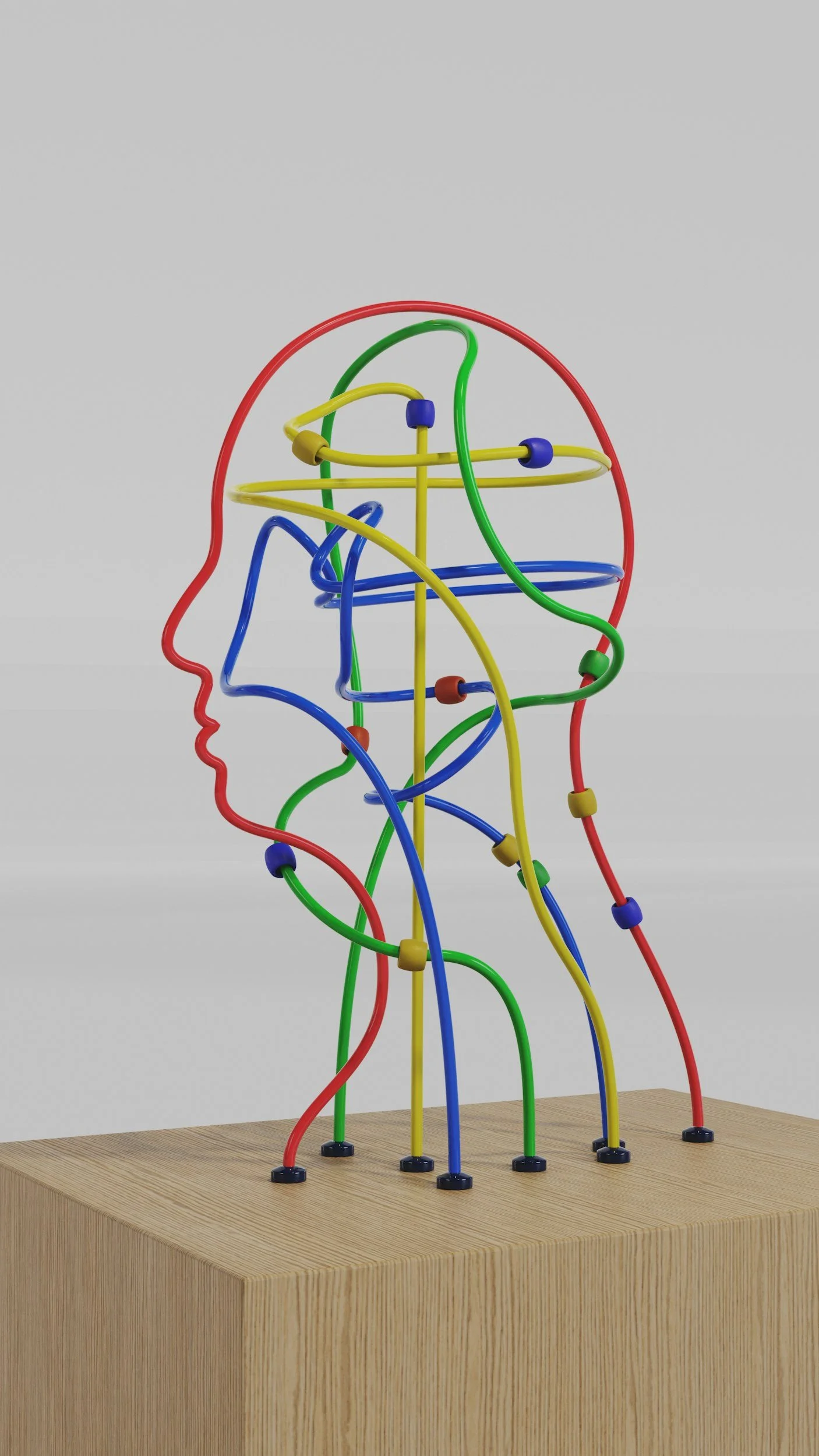
How Learning Disabilities Can Be Identified
Learning disabilities are typically identified during school years, often when a child shows consistent difficulties with specific academic skills despite receiving appropriate instruction.
Teachers, parents, or caregivers may first notice signs such as a child struggling to learn letters, read words, complete writing tasks, or understand mathematical concepts. These challenges may persist even when the child is motivated and trying hard.
Common signs of learning disabilities in children may include:
Difficulty learning letter sounds or recognizing words
Slow or inaccurate reading
Trouble spelling common words
Difficulty organizing thoughts in writing
Struggling to understand numbers or basic math concepts
Difficulty remembering instructions or sequences
Trouble following multi-step directions
Avoidance of reading, writing, or mathematics tasks
In older children and adults, learning disabilities may appear as:
Slow reading speed or poor comprehension
Difficulty taking notes or organizing written work
Trouble remembering deadlines or managing tasks
Confusion with numbers, budgeting, or time management
Difficulty learning new information through traditional teaching methods
A formal identification usually involves psychoeducational assessments conducted by educational psychologists, learning specialists, or other qualified professionals. These assessments evaluate cognitive abilities, academic skills, and information processing patterns.
The goal of assessment is not simply to label difficulties but to understand how a person learns best and what support strategies will help them succeed.
Early identification is particularly beneficial because it allows educators and families to introduce targeted support strategies and accommodations that reduce frustration and build confidence.
Communicating with Someone with Learning Disabilities
Communication with individuals who have learning disabilities should be supportive, clear, and structured in ways that make information easier to understand.
Because learning disabilities affect how information is processed, adapting communication methods can significantly improve understanding.
Several strategies can help.
Use clear and simple instructions.
Breaking information into smaller, manageable steps helps reduce cognitive overload. Providing one instruction at a time can make tasks easier to follow.
Use visual supports.
Charts, diagrams, written notes, or visual schedules can reinforce verbal information and help individuals remember instructions.
Allow extra time.
Some individuals require additional time to process information, read materials, or complete written work. Patience and flexibility help create a supportive learning environment.
Encourage questions and clarification.
People with learning disabilities may hesitate to ask for help if they feel embarrassed or worried about making mistakes. Encouraging open communication helps build confidence.
Focus on strengths.
Many individuals with learning disabilities have strong verbal reasoning, creativity, problem-solving skills, or visual thinking abilities. Recognizing these strengths helps maintain motivation and self-esteem.
Avoid negative assumptions.
Learning difficulties are sometimes misunderstood as laziness or lack of effort. In reality, individuals with learning disabilities often work harder than their peers to achieve the same outcomes.
Supporting Someone with Learning Disabilities
Support strategies should focus on adapting the learning environment rather than expecting individuals to conform to a single method of learning.
Educational support often involves accommodations, teaching strategies, and assistive tools.
Provide structured learning environments.
Clear routines, organized materials, and predictable schedules help reduce confusion and support focus.
Use multisensory teaching approaches.
Learning that incorporates visual, auditory, and hands-on activities can make information easier to understand. For example, reading instruction might combine spoken sounds, written words, and physical letter tiles.
Offer assistive technology.
Tools such as speech-to-text software, text-to-speech readers, audiobooks, and digital note-taking applications can help individuals access information more easily.
Break tasks into manageable steps.
Large assignments can feel overwhelming. Dividing work into smaller tasks with clear deadlines helps improve organization and motivation.
Provide additional practice and repetition.
Some learners benefit from repeated exposure to information in order to strengthen memory and understanding.
Encourage self-advocacy.
Helping individuals understand their learning differences and communicate their needs empowers them to request accommodations and participate actively in their own learning process.
Create supportive educational environments.
Teachers, parents, and caregivers play an important role in promoting positive attitudes toward learning differences. Encouragement, patience, and realistic expectations help individuals develop resilience and confidence.
Key Takeaway
Learning disabilities are neurological differences that affect how individuals process and use information, particularly in academic settings. These differences can influence reading, writing, mathematics, organization, and memory skills. However, learning disabilities do not determine intelligence or limit a person’s potential.
Identifying learning disabilities typically involves recognizing persistent challenges with specific academic skills and conducting professional assessments to understand how an individual learns best. Early identification enables access to effective teaching strategies and support systems.
Communication with individuals who have learning disabilities should emphasize clarity, patience, and encouragement. By adapting communication methods and learning environments, educators and caregivers can help individuals better understand and engage with information.
Effective support focuses on strengths, personalized teaching approaches, assistive technology, and structured learning strategies. When these supports are in place, individuals with learning disabilities can build confidence, develop their abilities, and achieve meaningful success in education, employment, and daily life.
Understanding learning disabilities ultimately promotes inclusion, respect, and recognition of the diverse ways in which people learn and contribute to society.